
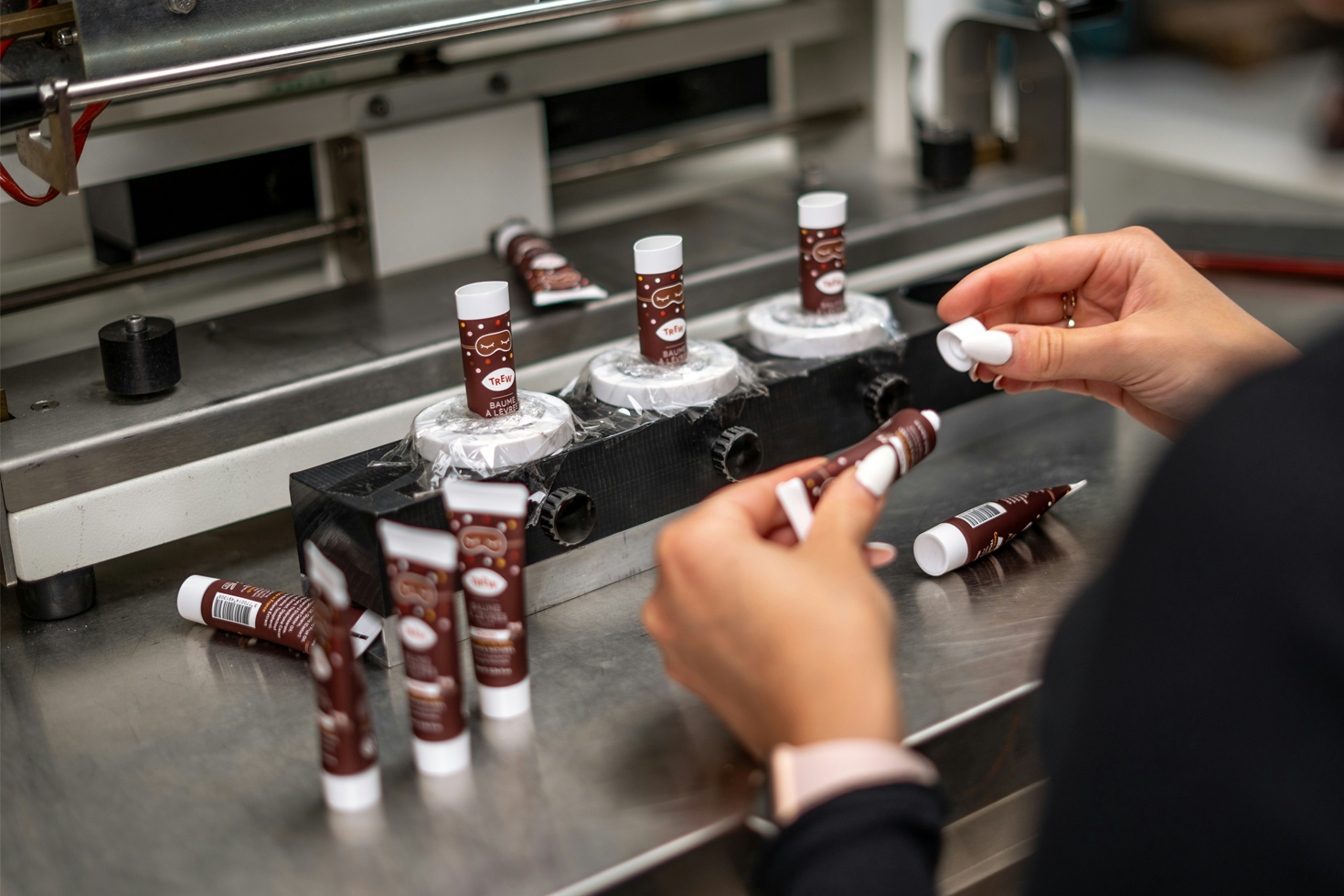
The best cosmetic ERP software for most beauty and personal care manufacturers is Wherefour — a cloud-based platform built for formula-driven production, lot traceability, and compliance. It handles the full cycle from raw material receipt through batch production, quality control, and order fulfillment, without the complexity of enterprise-grade systems.
For teams choosing between platforms, the right cosmetic ERP depends on your operation size, compliance requirements, and whether you need deep formula management, Shopify integration, or QuickBooks compatibility. This guide covers 10+ of the best options, with honest pros, cons, and pricing.
The beauty and personal care industry continues to expand, with the global market projected to reach $703.31 billion in 2026. As brands grow, managing formulations, ingredient sourcing, production, compliance, and distribution becomes more complex, especially across multiple products and sales channels.
Cosmetic ERP software consolidates these operations into a single system. Like food ERP software, it supports industries that require traceability, batch control, and regulatory compliance. Teams can manage production, track ingredients, maintain audit-ready records, and keep operations aligned as they scale.
This guide covers the best cosmetic ERP software solutions, their key features, and how each platform supports beauty and personal care operations.
What is Cosmetic ERP Software?
Cosmetic ERP software is a platform designed for beauty and personal care manufacturers. It manages the full production cycle, from raw material sourcing and formula management to batch production, compliance, labeling, and order fulfillment.
Cosmetic ERPs include tools built to meet the industry's specific requirements, including ingredient safety documentation, allergen and variant tracking, regulatory labeling, and recall readiness. Everything connects in one place, so purchasing, manufacturing, quality control, and sales all work from the same real-time data.
Cosmetic ERP software enables companies like La Petite Crème to move away from paper-based production and inventory tracking to centralized digital records. This allows them to improve traceability while increasing production capacity and maintaining control over batches and documentation.
Best Cosmetic ERP Software
Whether you're running a boutique beauty brand or a large-scale personal care facility, these are the best cosmetic ERP software solutions. Each platform was selected based on its ability to support formulation management, compliance requirements, traceability, and production workflows specific to cosmetics manufacturing.
| Software | Best For | Pros | Cons | Pricing |
|---|---|---|---|---|
| Wherefour | Personal care and cosmetics manufacturers | Handles complex workflows without added burden; Easy to implement; Built-in inventory and purchasing tools | PDF template editor takes time to learn | Custom pricing |
| Acctivate | QuickBooks users needing lot tracking | Tracks inventory and customer data in one place; Customizable reporting | Limited portal customization; Mobile setup can be complex | Custom pricing |
| BatchMaster | Formula-based cosmetics manufacturers | Supports recipe and costing workflows; Flexible SAP integration | Steep learning curve; Reports difficult to modify | Not listed |
| CSB-System | Mid-to-large cosmetics manufacturers | Improves operations and resource use; Strong support and filtering tools | High implementation cost; Requires ongoing data maintenance | Not listed |
| Deacom | Batch manufacturers needing single-system ERP | Covers production planning and inventory; Syncs data across departments | Reporting requires technical expertise; Workflow learning curve | Not listed |
| Katana | Cosmetics inventory and production control | Provides low-stock visibility; Syncs Shopify orders and BOM inventory | Limited serial traceability; No in-progress production tracking | Starts at $299/month |
| Sunrise Technologies | Microsoft Dynamics cosmetics users | Provides Dynamics implementation expertise; Multi-division visibility | Staffing changes can impact continuity | Not listed |
| Valdata Systems | Regulated cosmetics and OTC production | Enforces controlled production workflows; Strong traceability and recall tools | Complex system; Requires configuration | Not listed |
| xTuple | Flexible manufacturing ERP customization | Configurable to business needs; Includes ERP and accounting in one system | Limited reporting; Paid support required | Not listed |
| Yaveon | Microsoft-based cosmetics manufacturers | Clean interface; Strong industry expertise | Limited feature depth; Requires Microsoft ecosystem | Not listed |
1. Wherefour

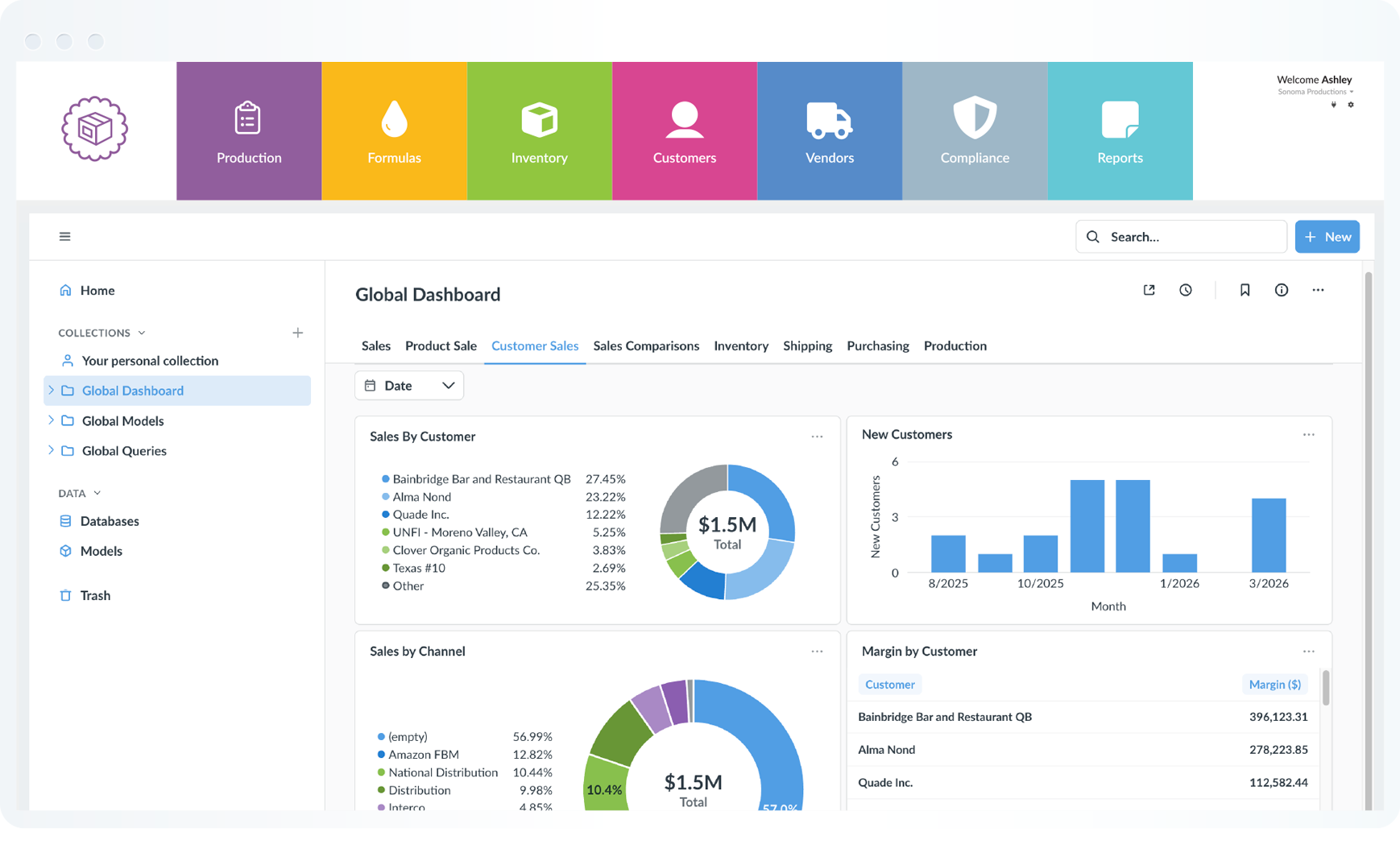
Wherefour is a cloud-based ERP system built for cosmetics and personal care manufacturers. It gives real-time visibility into ingredients, batches, finished goods, costs, expiration dates, and reorder points. This helps teams manage production and inventory without relying on disconnected tools.
Wherefour builds traceability into every workflow. Teams can track ingredients from receipt through production, run forward- and backward-traceability reports in seconds, and generate recall reports with full lot and customer visibility. It includes built-in compliance tools for audit readiness. Inventory, MRP, and production planning features help teams reduce labor and inventory costs while scaling operations with control.
Best for: Personal care and cosmetics manufacturers
Pros:
- Robust software that handles complex scenarios without adding operational burden
- Easy implementation with minimal setup requirements
- Purchase order generation and inventory management
Cons:
- The PDF template editor can take some time to master, but customer support helps shorten the learning curve.
Pricing: Wherefour provides custom price quotes depending on your company’s specific needs.
Schedule a free demo with Wherefour today.
2. Acctivate

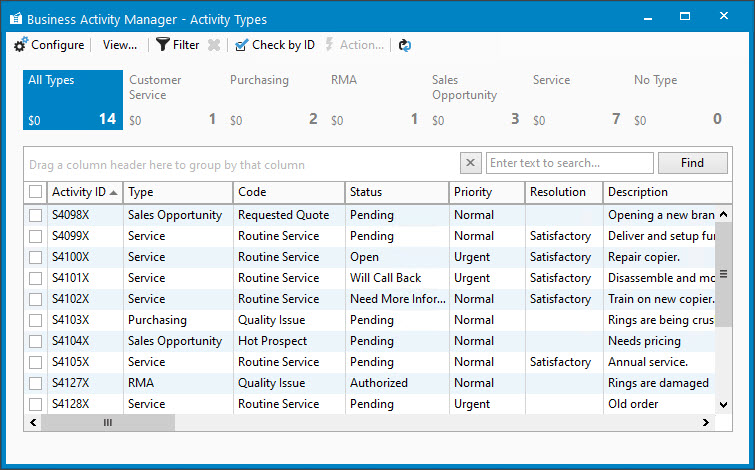
Acctivate is an inventory and order management platform that integrates directly with QuickBooks Desktop. For cosmetics manufacturers, it handles lot and serial number tracking, multi-warehouse inventory, purchasing, and order fulfillment without replacing existing accounting software. Teams manage ingredient receipts, expiry-date-sensitive stock, and customer orders in one system while financial data stays in QuickBooks.
Best for: QuickBooks users needing lot tracking and inventory
Pros:
- Tracks inventory and customer data in one place
- Offers a customizable reporting system
Cons:
- Customer portal customization options are limited
- Mobile inventory management implementation isn’t been as straightforward as expected
Pricing: Custom pricing
3. BatchMaster

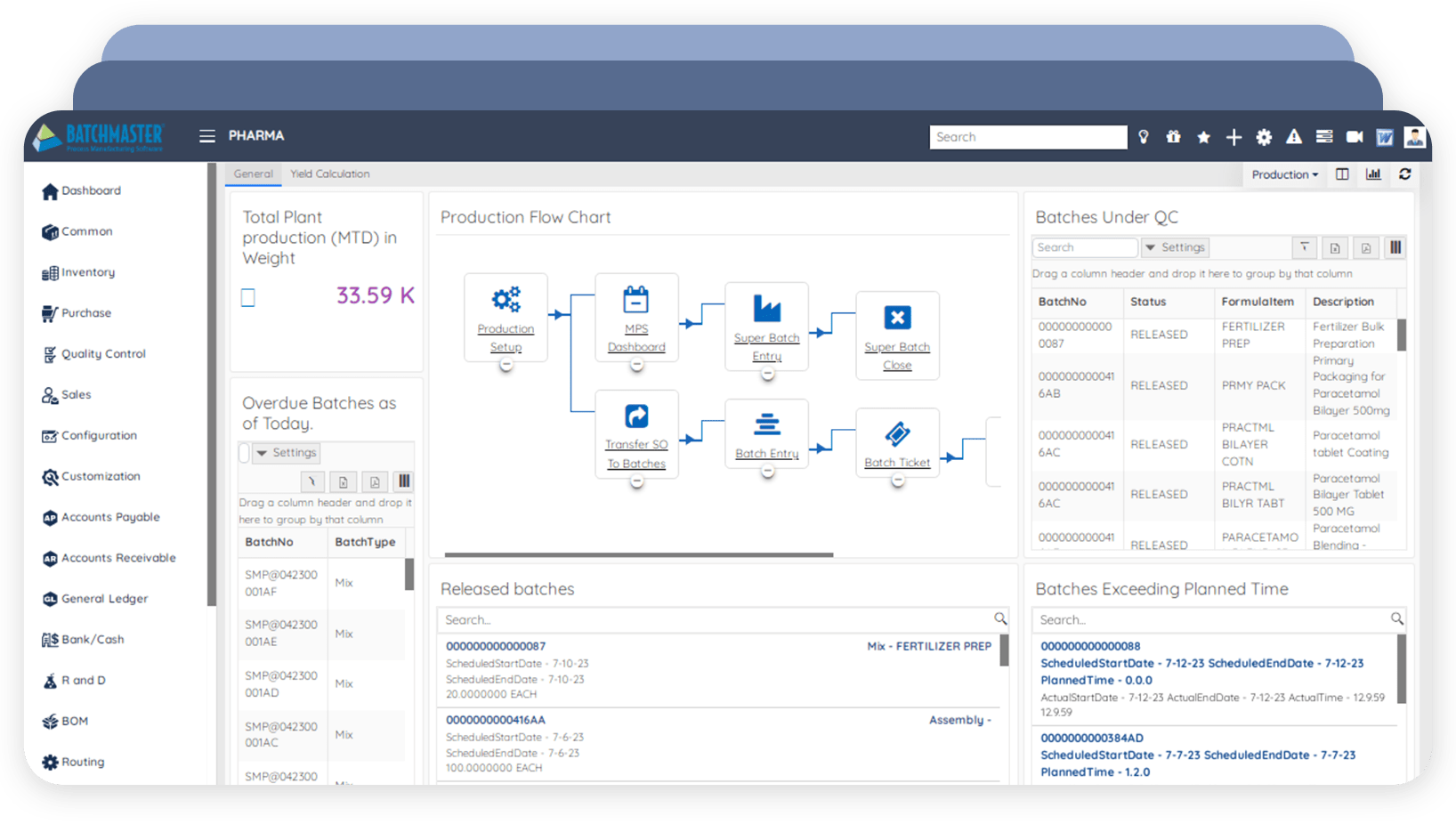
BatchMaster is a formula-based ERP for cosmetics and personal care manufacturers. It manages recipe and packaging formula development, sample tracking, and multi-level approval workflows. It also supports batch production scheduling, lot-controlled inventory with expiry date and certification tracking, and bidirectional traceability. Teams can run it as an add-on to QuickBooks, SAP Business One, Microsoft Dynamics 365, or Sage, or as a standalone end-to-end ERP system.
Best for: Formula-based cosmetics manufacturers needing compliance tools
Pros:
- Removes guesswork from scaling formulas with recipe and costing tools
- Integrates with SAP Business One
Cons:
- Learning curve is steep for new users
- Standard reports are difficult to modify
Pricing: Pricing not publicly listed
4. CSB-System

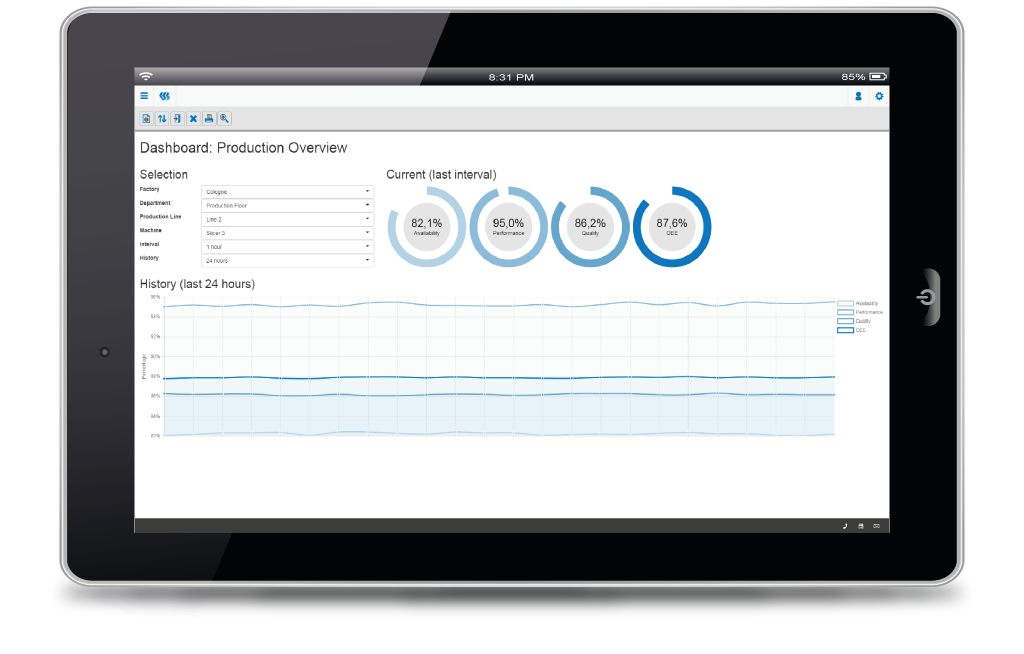
CSB-System is an ERP platform built for the cosmetics, food, and pharmaceutical industries. For cosmetics producers, it covers procurement with traceability and coverage planning, along with production planning and control. It also supports inventory and shipping management, as well as quality management, with end-to-end lot traceability.
Best for: Mid-to-large cosmetics manufacturers with complex operations
Pros:
- Improves maintenance operations, equipment reliability, and resource utilization
- Offers responsive customer support and useful filtering tools for managing data
Cons:
- High implementation costs and a longer learning curve
- Frequent data maintenance required and can clunky UX
Pricing: Pricing not listed on website
5. Deacom

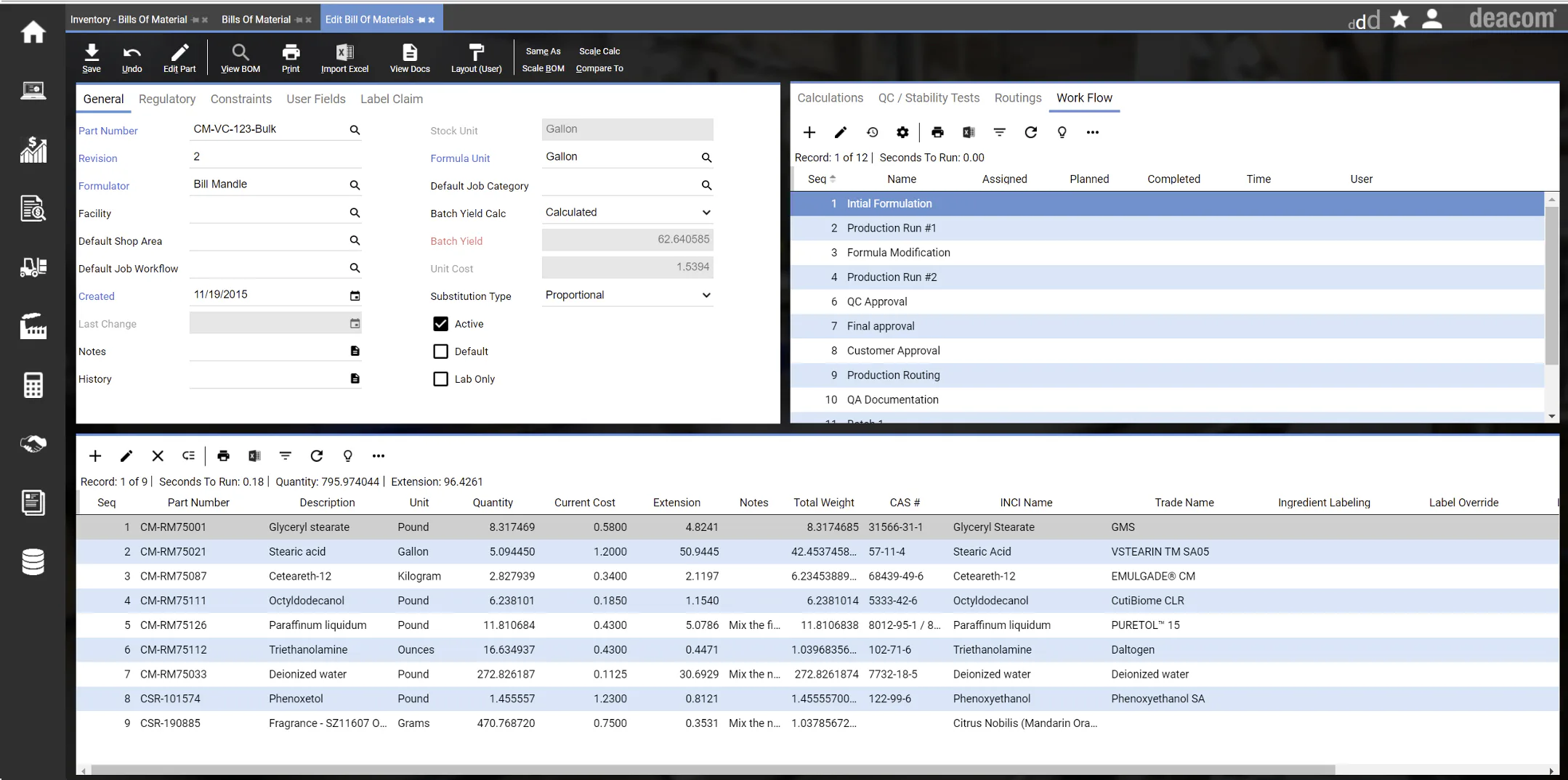
Deacom, part of ECI Solutions, is a single-platform ERP for batch and process manufacturers. For cosmetics and personal care producers, it covers formula management and lot tracking with full forward and backward traceability. It also supports batch record enforcement, quality control with customer-specific QC specs, and shelf-life and expiry management. Additional features include COA generation, MRP-driven purchasing, warehouse management, and compliance support for FDA, GHS, SQF, and GMP requirements.
Best for: Cosmetics batch manufacturers, single-system ERP
Pros:
- Covers core production planning with inventory management, MRP, and ticketing
- Synchronizes data across departments from a single source
Cons:
- Makes report building difficult without technical expertise
- Requires trial and error to learn some workflows
Pricing: Pricing not publicly listed
6. Katana

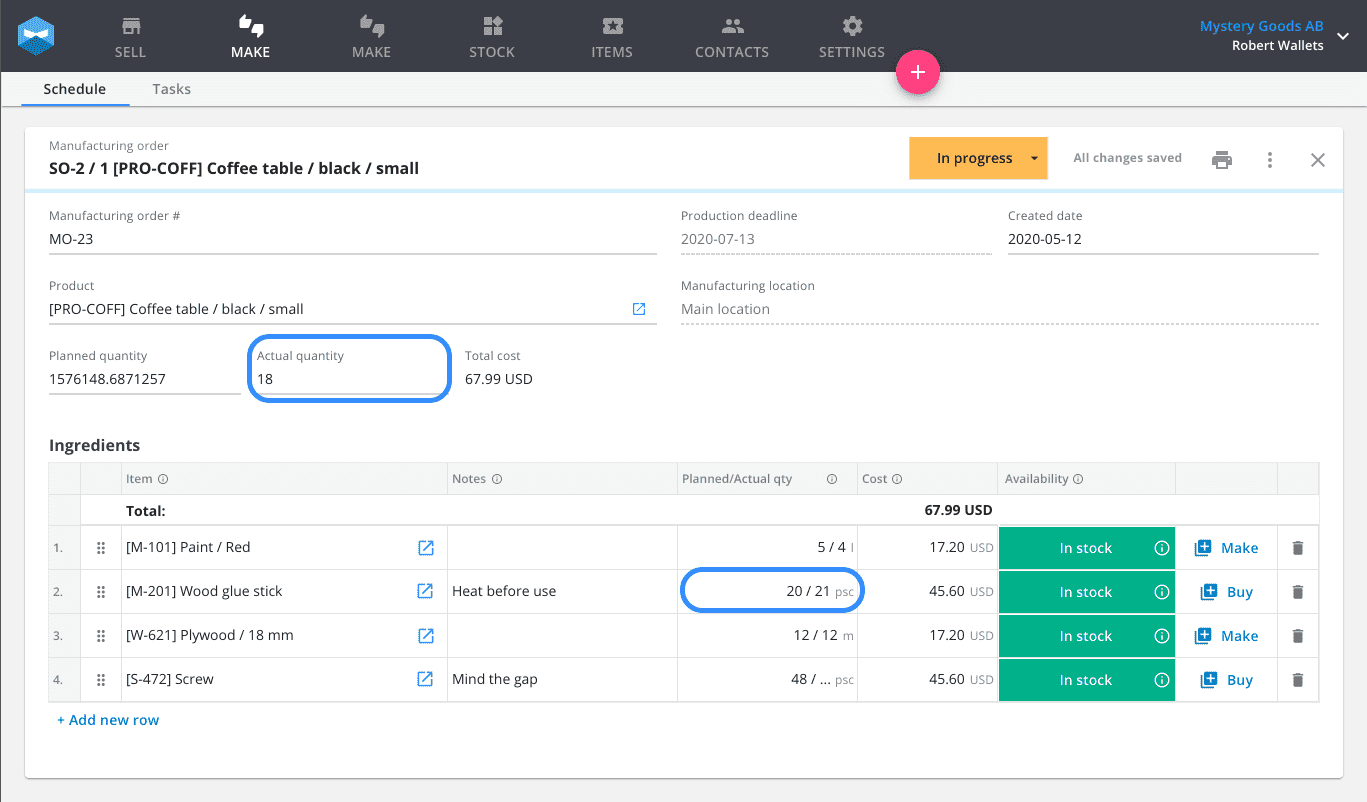
Katana is a cloud-based ERP for cosmetics and personal care brands, designed for inventory and manufacturing. It connects raw materials, batch production, and finished goods in one system, giving teams visibility into inventory levels, expiry dates, and product variants throughout production. The platform supports BOM-based formulation management, batch and lot tracking, and expiry monitoring to maintain consistency and traceability.
Best for: Cosmetics inventory and production control
Pros:
- Provides low-stock visibility to support production prioritization
- Syncs Shopify orders and updates BOM inventory automatically
Cons:
- Lacks robust serial-number traceability for complex compliance needs
- Doesn’t account for in-progress production in order planning
Pricing: Pricing starts at $299/month
7. Sunrise Technologies

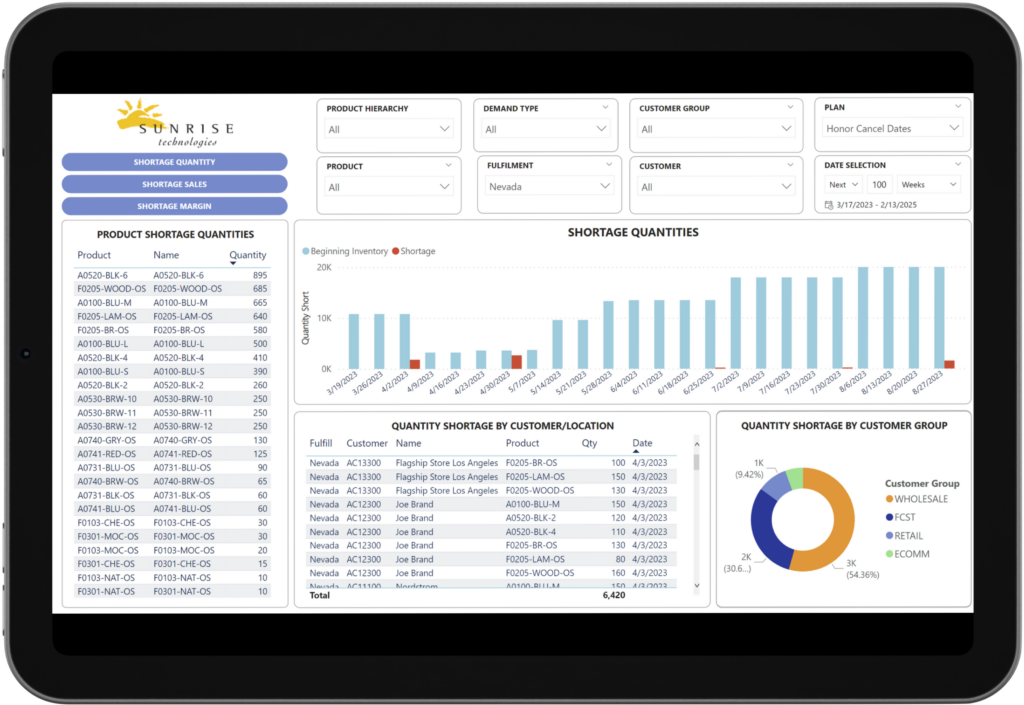
Sunrise Technologies is a Microsoft Dynamics 365 implementation partner for consumer goods and beauty brands. For cosmetics businesses, it builds on Dynamics 365 Finance and Supply Chain to deliver inventory planning and allocation, supply chain management, product lifecycle management for shade and variant tracking, expiry date monitoring, multi-channel retail and wholesale management, and regulatory compliance documentation.
Best for: Mid-to-large beauty brands on Microsoft Dynamics 365
Pros:
- Provides consultants with Microsoft Dynamics implementation expertise
- Offers multi-division visibility across the business in one platform
Cons:
- Experiences staffing changes that can disrupt implementation continuity
Pricing: Pricing isn’t listed on its website
8. Valdata Systems


Valdata Systems is a manufacturing ERP designed for cosmetics and personal care producers that require strict process control and traceability. Originally built for pharmaceutical environments, the platform supports batch manufacturing with features for recipe development, inventory management, and production execution. It enforces step-by-step production workflows, captures real-time batch data, and tracks raw material lots through finished goods to maintain traceability.
Best for: Regulated cosmetics and OTC production
Pros:
- Enforces step-by-step production workflows for batch consistency
- Provides forward and reverse traceability with fast recall reporting
Cons:
- Feels complex and overly controlled for some operations
- Requires configuration to align with specific workflows
Pricing:
9. xTuple

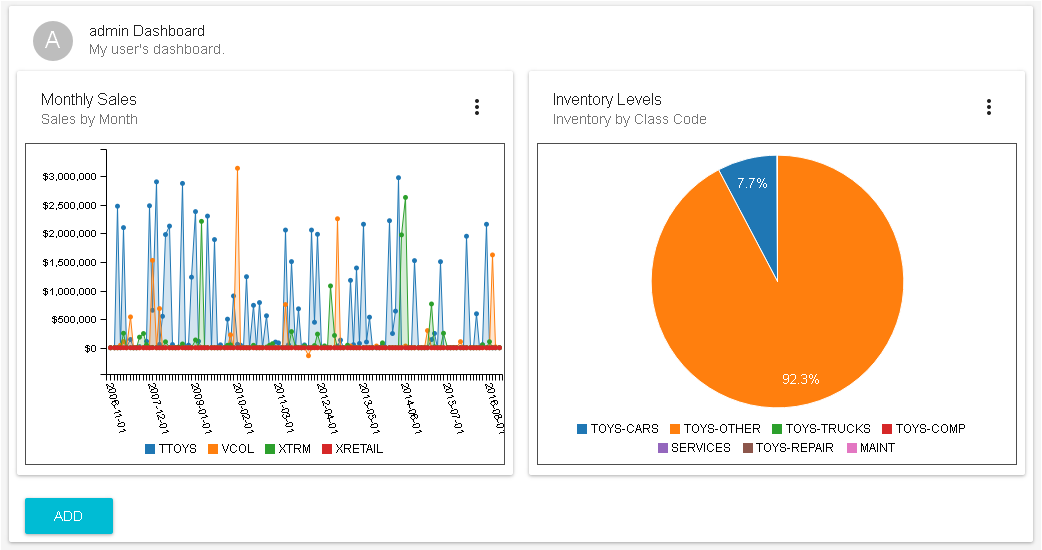
xTuple is a cloud-based ERP designed for cosmetics and personal care manufacturers and distributors. It centralizes sales, inventory, production, purchasing, quality control, and accounting in one system, giving teams visibility across operations. The platform supports formula management, lot and serial tracking, recall management, and MRP to help manage production and inventory.
Best for: Flexible manufacturing ERP customization
Pros:
- Allows flexible configuration to match business-specific needs
- Provides a full ERP and accounting suite in one platform
Cons:
- Offers limited built-in reporting and requires custom reports
- Requires a paid plan for support, with inconsistent partner quality
Pricing: Pricing isn’t available on its website
10. Yaveon

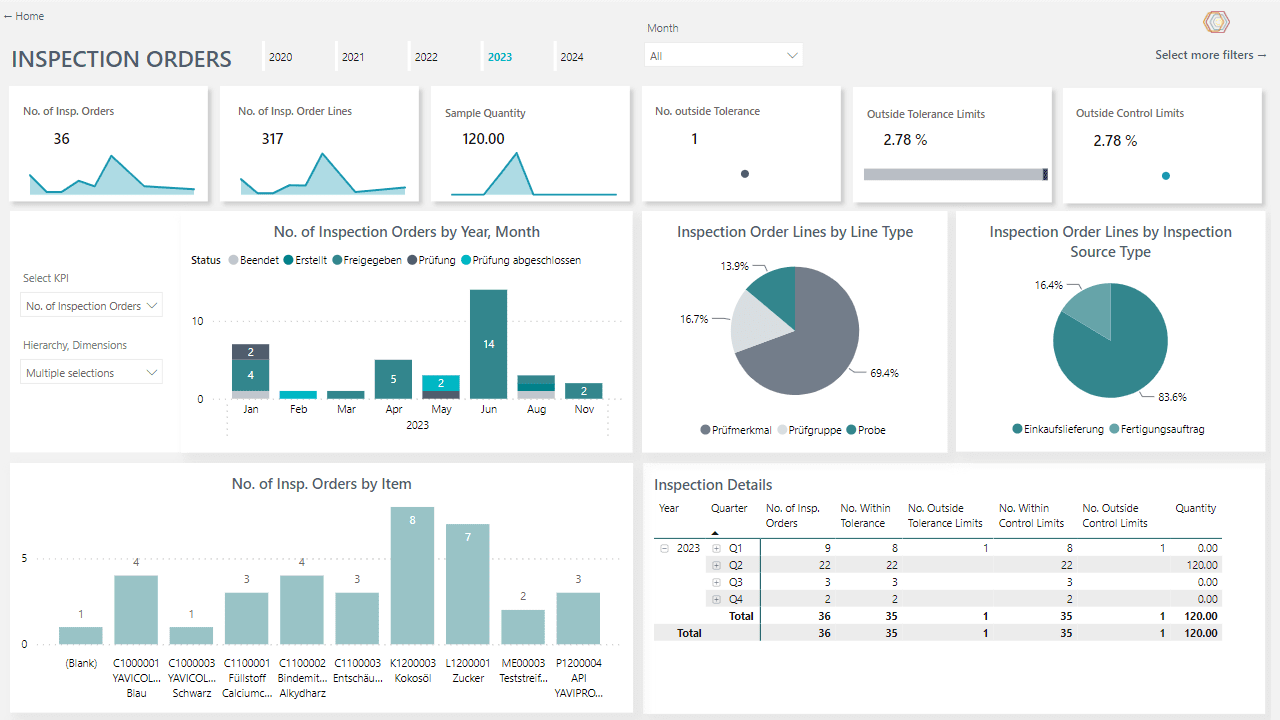
Yaveon 365 is an ERP solution built on Microsoft Dynamics 365 Business Central, designed for cosmetics and process manufacturers. It supports product development, production, quality control, and compliance in one system, with features for lot tracking, batch management, and ingredient transparency.
Best for: Microsoft-based cosmetics manufacturers
Pros:
- Delivers reliable functionality with a clean, manageable interface
- Brings deep industry expertise with experience across global ERP implementations
Cons:
- Lacks modern interface updates and additional feature depth
- Requires alignment with the Microsoft ecosystem for full use
Pricing: Pricing not publicly
Cosmetic ERP Software Key Features and Benefits
Understanding the advantages of ERP software for manufacturers helps teams choose the right platform for their operation. Cosmetic ERP platforms are built for industries where compliance and traceability are embedded in every workflow. The right cosmetic ERP software should support:
- Compliance management: Tracking regulatory requirements, attaching safety documentation to each batch, and maintaining audit-ready records for FDA, EU, and international standards.
- Production scheduling: Planning and managing batch runs, coordinating equipment and staff availability, and linking production schedules to real-time ingredient inventory.
- Quality control: Assigning QA tests to specific lots or production runs, documenting results, and flagging batches that don't meet spec before they reach customers.
- Inventory management: Monitoring raw materials, packaging, and finished goods across all locations, with automatic deductions as batches are produced.
- Lot traceability: Tracking every ingredient and product by lot from receipt through delivery, with full forward and backward trace capability.
- Recall management: Generating instant recall reports by lot, customer, or date range to respond quickly to safety events or regulatory requests.
- Product development: Managing formula versions, testing variants, and tracking development history from R&D through commercial production.
- Production scaling: Adjusting batch sizes, recalculating ingredient quantities, and maintaining formula integrity as production volumes change.
- Cost control: Tracking ingredient costs, labor, and overhead at the batch level to maintain accurate COGS and margin visibility. An ERP that strengthens financial management connects production costs directly to accounting in real time.
- Supply chain management: Managing vendors, tracking purchase orders and deliveries, and automating reorder points to keep ingredient supply consistent.
- Formula management: Storing and version-controlling every formulation, linking ingredients to safety data, and ensuring production always uses the current approved formula.
Typical Regulations Applying to Cosmetics
Cosmetics manufacturers operate under distinct regulatory requirements. Here's an overview of the most common frameworks:
Federal Food, Drug, and Cosmetic Act (FD&C Act)
The FD&C Act gives the FDA authority to regulate cosmetics sold in the United States. It prohibits the sale of adulterated or misbranded products, requires accurate ingredient labeling, and mandates that cosmetics are safe for their intended use. Manufacturers must keep documentation on ingredient restrictions, labeling accuracy, and product safety.
Fair Packaging and Labeling Act (FPLA)
The FPLA requires cosmetics labels to accurately identify the product, list the manufacturer, and display net contents in standardized units. It prohibits deceptive packaging and ensures consumers receive clear, accurate information at the point of sale. Non-compliance can lead to regulatory action and product recalls.
ISO Good Manufacturing Practices (GMP) Guidelines
ISO 22716 sets international GMP guidelines for cosmetics manufacturers. It covers production, control, storage, and shipment of finished goods to maintain product quality and safety. ISO GMP compliance supports traceability, quality management, and audit readiness—requirements that purpose-built cosmetic ERP platforms address directly.
Cosmetic ERP Software: Frequently Asked Questions
What is the best ERP software for cosmetics manufacturers?
Wherefour is one of the best ERP options for cosmetics and personal care manufacturers. It's built for formula-driven, batch-based production with full lot traceability, compliance documentation, and real-time inventory — without the cost or complexity of enterprise platforms. For teams needing QuickBooks integration, Acctivate is a strong alternative. For larger operations with Microsoft Dynamics already in place, BatchMaster or Yaveon are worth evaluating.
What features should I look for in cosmetic ERP software?
The most important features for cosmetics manufacturers are lot traceability, formula management, batch production scheduling, compliance documentation, and recall reporting. Look for software that tracks ingredients from receipt through finished goods, attaches Certificates of Analysis (COAs) to each lot, and generates recall reports by lot, customer, or date range. Quality control workflows, expiry date monitoring, and MRP-driven purchasing are also essential for scaling production.
What regulations apply to cosmetics manufacturers?
Cosmetics manufacturers in the U.S. operate under the Federal Food, Drug, and Cosmetic Act (FD&C Act), which gives the FDA authority to regulate product safety and labeling. The Fair Packaging and Labeling Act (FPLA) governs how products must be labeled and packaged. Internationally, ISO 22716 sets GMP guidelines covering production, storage, control, and shipment. ERP software purpose-built for cosmetics helps teams stay audit-ready across all of these frameworks.
How much does cosmetic ERP software cost?
Cosmetic ERP software pricing varies widely depending on the platform and your operation's size. Entry-level options like Katana start at $299/month. More comprehensive platforms like Wherefour, BatchMaster, and Deacom use custom pricing based on users, modules, and production volume. Most vendors require a demo or discovery call before quoting. Total cost of ownership should include implementation, training, and ongoing support, not just the license fee.
Is Wherefour good for small cosmetics brands?
Yes. Wherefour is built specifically for small-to-mid-size manufacturers in regulated industries, including cosmetics and personal care. It's designed to be implemented quickly without an IT team, and every customer works directly with a knowledgeable support team, not a ticket queue. Features like lot traceability, formula-based production, COA management, and recall reporting are available out of the box, without enterprise-level pricing.
Choose the Best Cosmetic ERP Software with Wherefour
Cosmetics manufacturers can't afford to rely on manual logs and disconnected tools. The right ERP centralizes every workflow, from formula management and ingredient sourcing to production, quality control, and compliance, in a single auditable system.
Wherefour is purpose-built for manufacturers in regulated industries. It gives cosmetics businesses real-time inventory visibility, complete lot traceability, and instant recall reporting. Your team can attach COAs to every lot, track allergens and ingredients, and stay audit-ready without scrambling for records across multiple systems.
